
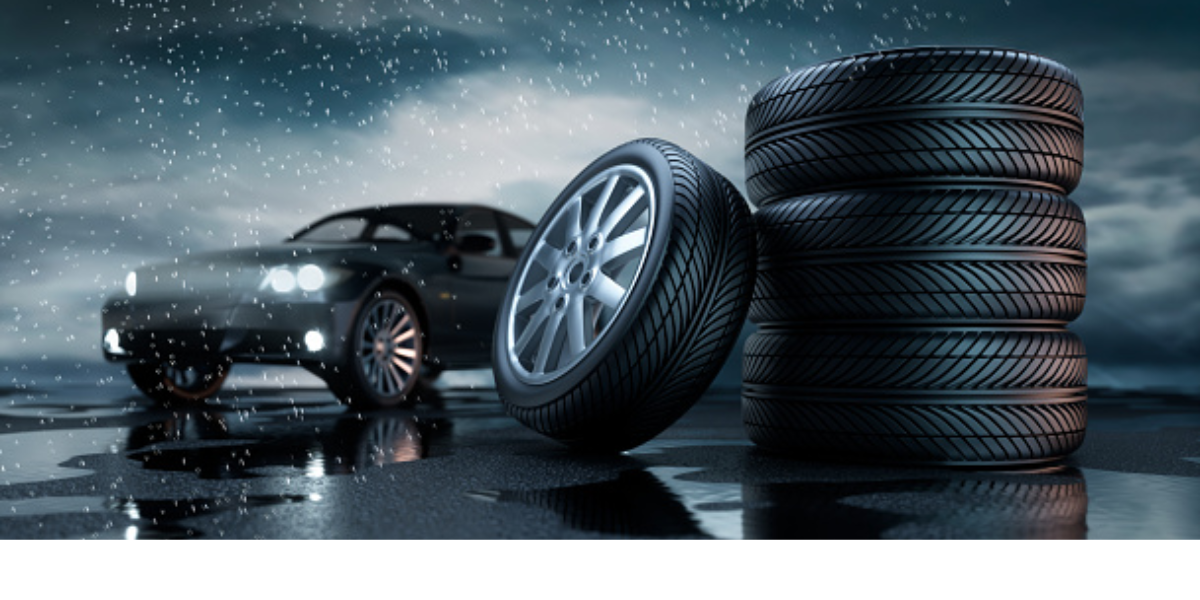
Tyre tread patterns are important to the safety, performance and comfort of the vehicle. The tread is the outermost part of the tyre that actually touches the road surface, and the tread design is the aspect of the tyres Manchester that determines traction across a number of surface conditions and water displacement for driving in the rain or snow. By learning about the importance of tyre tread patterns as well as the different patterns available to them, drivers can make informed decisions as to how to get an improved level of safe and efficient driving.
The Importance of Tyre Tread Patterns
Traction and Grip: The main purpose of tyre tread patterns is to create friction between the tyre and the road surface, and to do this, there are grooves and small cuts (called sipes) that are cut into the tread itself for grip on the surface for better acceleration, braking and cornering. Grip is necessary for the vehicle to remain stable and responsive in control of the vehicle, whether you are driving in dry, wet or snowy driving conditions.
Water Displacement: Tread patterns also allow the tyre to channel water away from the contact patch between the tyre and road surface, and if it's wet outside, tread patterns help to reduce hydroplaning (a buildup of water separating the tyre from the road surface) and improve safer handling (through deep grooves and tread channels) in rainy environments.
Performance and Stability: Tread patterns affect the performance characteristics of a vehicle. Some patterns favour straight-line stability for smooth highway driving, while others maximise cornering and traction for performance or off-road focused driving. Selecting an appropriate tread pattern is vital to ensure accurate handling and stability when steering and during dynamic manoeuvres.
Noise and Comfort: Tyre tread patterns also influence ride comfort and road noise. Tyre patterns that reduce tyre noise cause less vibration when driving, providing a quieter and smoother driving experience. This is essential for passenger vehicles and multiple consecutive hours of travel.
Fuel Economy: Tread design also affects the energy lost to rolling resistance, or the energy loss upon supporting weight as the tyre contacts the surface area. Tyres with the proper optimised tread pattern designs can minimise rolling resistance and provide better fuel economy by having to use less energy to move the vehicle.
Wear and Longevity: The tread pattern also determines how the tyre will wear and impact the longevity of the tyre. Patterning that is properly designed will promote even quality wear over the entire surface area of the tyre, meaning the tyre can provide a longer life span as well as performance.
Varieties of Tyre Tread Patterns
Tyre tread patterns typically can be placed into four primary groups, each intended for a different type of driving conditions and requirements:
Symmetrical Tread Pattern
Symmetrical tread patterns are the most common style of tread and consist of continuous ribs or independent tread blocks that cover the entirety of the tyre. Symmetrical treads provide a smooth ride, even wear and are typical on standard passenger vehicles. They provide a good all-around performance, but are not really suited to extreme conditions.
Asymmetrical Tread Pattern
Asymmetrical tread patterns will have 2 different patterns on the inner and outer parts of the tyre. The inner tread will typically have more grooves for better water evacuation, which provides better traction in the wet, while the outer tread will have there larger blocks in order to have better dry, cornering performance. These types of tyres are an all-around performance choice and are generally used in high-performance vehicles and luxury vehicles.
Directional (Unidirectional) Tread Pattern
Directional tread patterns come in a V-shaped or arrow-type tread pattern, which is specifically designed to channel water away quickly. These types of tread patterns perform well in wet conditions and can tolerate higher speeds. Directional treads must be mounted in the direction specified.
Off-Road or Mud-Terrain Tread Pattern
Constructed for harsh terrains, off-road tyres are characterised by their deep, wide grooves and oversized tread blocks that provide grip on loose surfaces such as mud, sand, and gravel. Off-road tyres will give the best traction off paved roads at the cost of increased noise and reduced highway efficiency.
Conclusion
Tyre tread patterns represent more than aesthetics; they are important to the safety, performance, and efficiency of a vehicle. Understanding the type of tread pattern to use for your driving conditions, as well as your vehicle type and preferences, can improve grip, handling, and durability. Maintaining proper tread depth regularly and replacing tyres as they become worn is critical to continuing safe driving. The right tread pattern can boost driver confidence, protect occupants, and lead to fuel savings; these are all important points to note for every vehicle owner.
The tyre tread patterns highlighted here need to be established as important, and be aware of your car's tread pattern options for better decision-making for safer and more enjoyable vehicle use.