
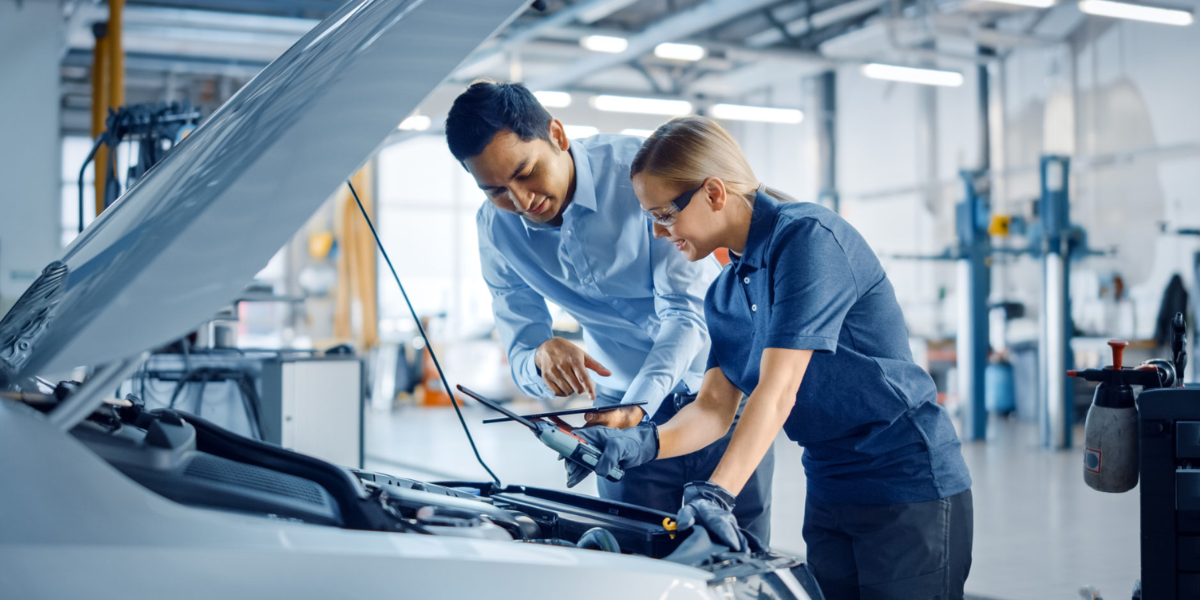
Being a driver in the UK and driving a vehicle which is three years old or older makes it mandatory to obtain an MOT certificate. The certificate can only be obtained after the vehicle passes the MOT test. To pass the test, the vehicle must remain in top condition because there are many ways in which it can fail the test. Regular servicing and repairs are therefore essential to maintain the vehicle and keep it ready for the MOT test. The test involves only visual checks, and therefore, if they find any damage or defects, those are recorded as necessary repairs. It is then provided to the driver along with a fail certificate. The driver then needs to get these tests done at the same centre within ten days. Once the vehicle passes the test, the driver receives a VT20 certificate and is legally allowed to drive their vehicle. This blog further discusses other important aspects of the MOT test.
What Is the Purpose of Conducting an MOT Test?
The MOT test regulations were introduced by the DVSA to ensure that all cars meet safety and environmental standards. If you are driving in the UK and don’t have a valid certificate, immediately find an MOT Manchester and get the test done. Ignoring this can lead to penalties, fines, and other legal consequences. Doing this once a year is a mandatory requirement in the UK for every car above the three-year threshold. It ensures overall safety and maximises environmental sustainability.
How Do MOT Specialists Check the Car During the Test?
During the MOT test, the mechanics conduct a thorough inspection of the inside and outside of the car. Only after completing the inspection is a final report made, and the driver is provided with a pass or fail certificate. So, the tests or inspections are done in two sections, i.e., exterior and interior.
The exterior inspection is done on the following components:
- Tyres and wheels - To check the proper functioning of the tyres, the MOT checker will inspect the tread depth, tyre size, load rating, speed, and wheel nuts. The wheel alignment is also inspected because it affects the condition of the tyres and eventually the performance of the car.
- Lights - The MOT examiners check all the exterior lights, reflectors, and lamps for their proper functioning and positioning. All the front and rear lights, brake lights, daytime running lights, registration lights, and indicators are checked during this inspection.
- Steering - The steering wheel is another essential component that must be in proper condition for safe driving. The things that are checked in the steering are the oil, wear, corrosion, and wheel locking.
- Brakes - As one of the most important safety features, the brake pads, warning lights, levers, callipers, and more are inspected. An efficiency test is also done during this inspection to ensure maximum safety.
- Suspension - To inspect the front and rear suspension, a check is also done on the suspension system. It is checked to ensure the proper condition of shock absorbers, springs, joints, and levers.
- Exhaust and Emission - Along with the components that ensure the safety of the car, exhaust and emissions are also examined to ensure the car meets environmental standards. They are checked for their secure fittings, leakages, and unwanted noise. Depending on the type of fuel used in the car, this inspection differs.
- Vehicle Body - The external structure of the car is inspected for damage, wear, or corrosion. Other components include engine mountings, boot, mirrors, chassis and tow bars.
- Number Plates - To register and identify the cars, registration or number plates are significant. During the MOT, the tester checks if these are properly attached to the car, are in the right colour, and the numbers & characters are readable.
During the interior examination, components such as the interior mirror, seats, seatbelts, speedometer, and horn are examined.
Where Should One Go for the MOT Test?
Choosing the right centre to have the MOT test is necessary to ensure accurate results. The driver must ensure that the centres they select for the MOT test have the following qualities:
- The centre must be registered with the DVSA or the Ministry of Transport and be authorised to conduct the test.
- The service professionals are experienced and have the technical knowledge to conduct the test.
- The centre must not charge extra fees for the test. To ensure this, drivers can do some research before booking the test to compare prices.
Apart from these essentials, booking an MOT test along with a car service Manchester is one of the best ways to save money. Many garages and centres provide a combination of both to customers at discounted rates.
Conclusion
Without ensuring that the car is worthy of being driven on the road, taking it out is a mistake. It risks everyone’s safety and decreases the value of the car. Along with that, it adds to the expenses of the driver. The only solid proof of a safe and stable car is the MOT certificate, for which an annual test is mandatory. Apart from the cars exempted for various reasons, every other vehicle in the UK requires this test as per the law.